Ten British Places That Feel Like Another Century — and How to Photograph Them
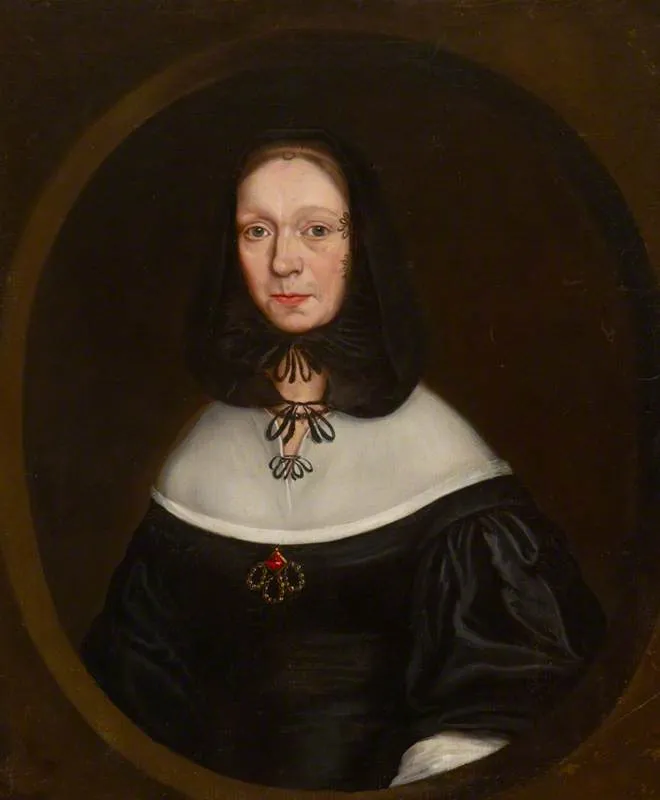
Photo: Unidentified painter, Public domain, via Wikimedia Commons
Some places do half the work for you. You turn up with a camera, put a person in the right spot, and the background says another century without a single costume change. The catch is that these locations are also lived-in, photographed to death and full of modern clutter. Here are ten British spots that give portraits a sense of history — with notes on light, framing and the permissions you will need.
1. Royal Crescent, Bath
The curve of Georgian houses is the star. Shoot early morning in spring or autumn, when the light rakes across the stone and the lawns are empty. Frame along the crescent rather than square-on, and use a long lens to compress the terraces. Cars and bins are the enemy; crop tight or shoot from the lawn edge. It is a public space, but commercial shoots may need permission from Bath and North East Somerset Council. Be discreet and do not block pavements.
2. Kynance Mews, London
Cobbles, whitewashed cottages and a village feel in Zone 1. Mid-morning light is best when it bounces off the pale walls; midday is harsh. Frame doorways and archways to hide wheelie bins, and shoot low to emphasise the cobbles. It is a residential street, so ask before setting up and keep the footprint small. For anything commercial, check with the Royal Borough of Kensington and Chelsea.
3. Castlerigg Stone Circle, Cumbria
The stones sit in a bowl of fells, which means the light changes fast. Sunrise and sunset give colour and low shadows; midday is flat and busy. Use a wide lens to include the circle and a long lens to isolate a couple against the hills. Watch the horizon and avoid the car park. Open access, but it is a scheduled monument: no drones, no climbing, and check current guidance from Historic England before a commercial shoot.
4. Tintern Abbey, Monmouthshire
The ruined nave is a frame within a frame. Morning light comes through the east windows and makes the stone glow; afternoon is softer in the cloister. Use the arches to crop out signs and visitors, and shoot from the side aisles for depth. Cadw manages the site and charges admission; commercial photography needs a permit. Arrive at opening time to get the place to yourself.
5. Edinburgh Old Town closes
The narrow closes off the Royal Mile feel like another century until a bin lorry arrives. Late afternoon in summer gives soft light down the steps; winter needs a fast lens. Frame upwards to lose shop signs, or use a doorway as a natural vignette. The streets are public, but commercial shoots should contact the City of Edinburgh Council. Avoid festival time unless crowds are part of the picture.
6. Portmeirion, Gwynedd
An Italianate village on a Welsh hillside, all pastel facades and arched loggias. Overcast light is kind here; strong sun makes the colours shout. Use the architecture to frame faces, and shoot through arches to hide modern signage. It is a paid attraction with its own photography policy, so book ahead and ask about commercial permits. Out of season is calmer.
7. The Shambles, York
Overhanging timber-framed buildings that almost touch overhead. Early morning is the only time to shoot without a crowd; the light is soft and the street is yours. Shoot from low down and use the buildings as leading lines. Shop signs and tourists are the main clutter — crop tight or embrace the street life. Public highway, but commercial photography needs permission from York City Council.
8. Stourhead, Wiltshire
The landscape garden is a masterclass in borrowed scenery. Misty autumn mornings are the cliché for a reason: the lake, the Pantheon and the trees all soften. Use the temples as frames and reflect the couple in the water. National Trust property; commercial shoots need permission and insurance. Check opening times and avoid half-term.
9. Dunstanburgh Castle, Northumberland
A coastal ruin with a gatehouse that frames the sea. Sunrise gives warm light on the stone and empty beaches; sunset is dramatic but crowded with walkers. Use the gatehouse arch to frame a couple, and keep the horizon level. English Heritage manages the site; check access and permit requirements. The walk from Craster is part of the experience — allow time.
10. Lacock, Wiltshire
Half-timbered houses, uneven rooflines and a village that has barely changed. Soft overcast light suits the honey stone; early morning avoids the coach parties. Frame down the High Street with a long lens, or use doorways to hide modern cars. Much of the village is National Trust; commercial photography needs permission. Be respectful of residents — it is a real village, not a film set.
None of these places is a secret, and that is fine. The trick is not finding a historic backdrop; it is knowing when to arrive, where to stand and what to leave out. A portrait does not need a museum pass to feel old. It needs light, a clean frame and a photographer who has done the recce.