Suits, Stone and Soft Light: Giving Grooms the Portrait Session They Deserve
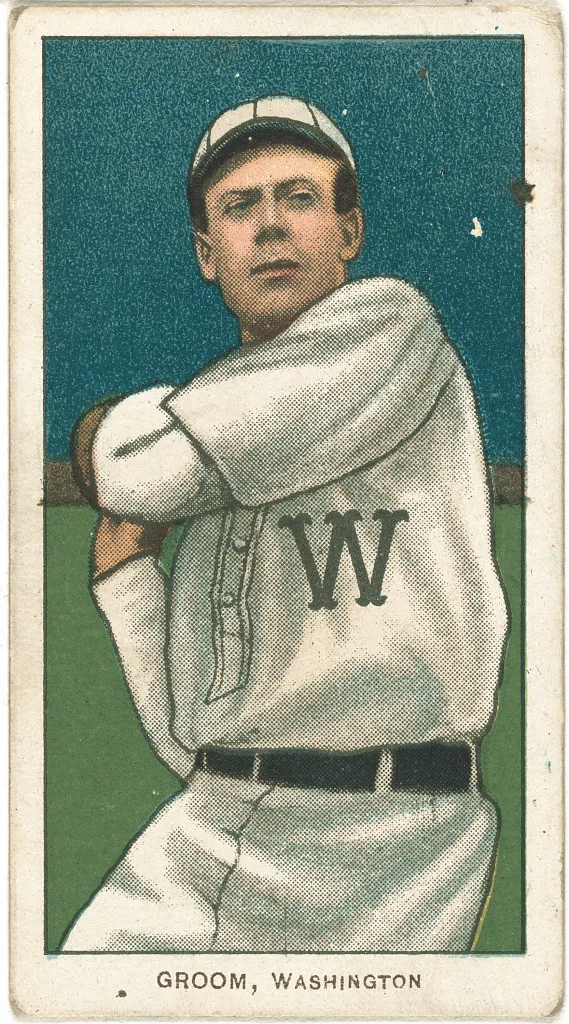
Photo: American Tobacco Company, sponsor, Public domain, via Wikimedia Commons
There's a moment in almost every wedding gallery I've delivered where the coverage quietly drops a gear. The bride has had the morning — the room with the big window, the dress on the hanger, the hands, the veil, the mother, the tears. Then the ceremony happens, then the couple portraits, and somewhere near the end there's a slightly apologetic cluster of frames showing the groom standing beside a wall, hands in pockets, smiling the smile of a man who has been told to smile.
That's the bit I want to talk about.
The eight-minute groom
Flick through a dozen wedding galleries online — ideally ones shot in big old venues with lovely architecture — and count. Count the frames of the bride on her own, then count the groom. The ratio is usually somewhere between four and ten to one. It isn't because photographers dislike men in suits. It's because the day's schedule has been built around hair and makeup, which takes hours and hands a photographer hours to fill, while the groom becomes ready in roughly eleven minutes and is then politely parked.
Add the fact that a great many grooms will say, unprompted, "I'm not really bothered about photos of me," and you can see how the whole thing quietly self-organises into a bias.
But galleries are read by couples, not by brides. An album where one person appears two hundred times and the other appears nineteen isn't a portrait of a marriage. It's a portfolio with a guest in it.
Windows don't care who's in the suit
The good news is that the light which flatters a bride in a lacy hotel room flatters a groom in a grey worsted three-piece just as well. It's the same light. Same physics.
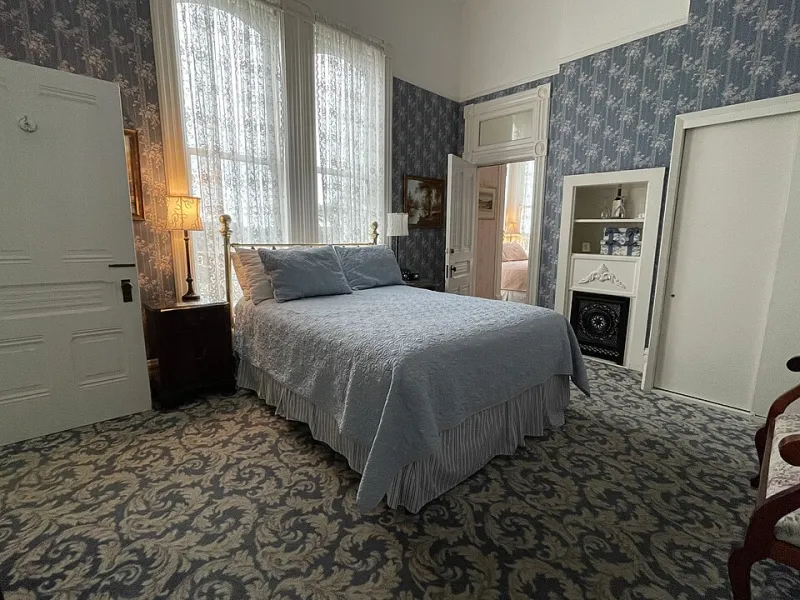
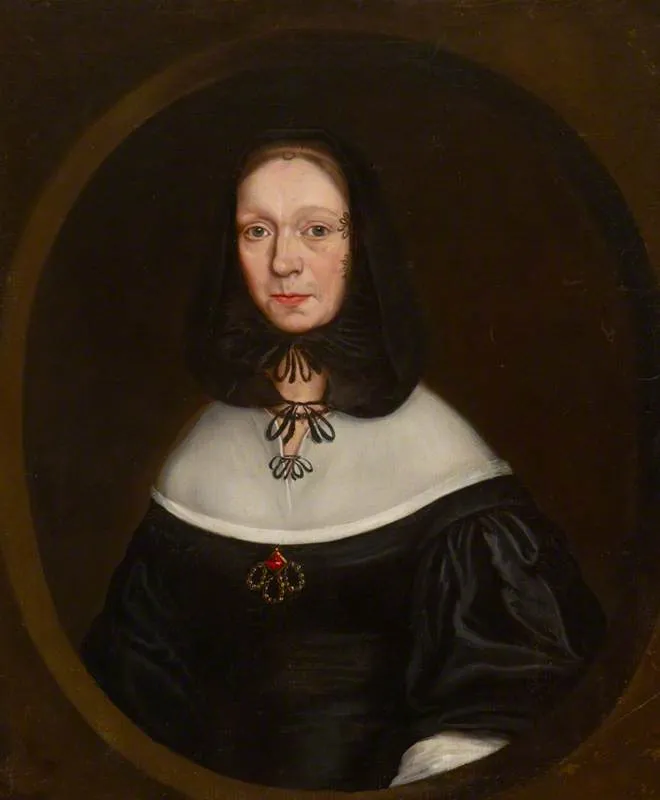
Historic venues are unusually generous here, because they were built before electricity and therefore built around daylight. Deep window reveals, mullions and small panes that break hard sun into something soft, thick stone walls that throw a cool bounce back up into a face. Stand your groom a metre and a half from a north-facing window, turn his shoulder towards the glass, and you have a portrait setup that cost nothing and looks like it came out of a painting.
Direction matters more than gear. Window light has a direction, and if you don't choose it, it chooses for you — usually from slightly above and to the left, producing a nose shadow pointing somewhere unhelpful. Ask him to turn fifteen degrees, then another fifteen. Watch the shadow under the jaw. When the light starts falling off across the far cheek, you're there.
The grey suit against the grey wall problem
Here's a genuinely practical snag. Most grooms wear grey, navy or charcoal. Most British historic venues are made of grey stone, dark panelling or slate. Put one against the other and the photograph becomes a study in tonal mush.
Three fixes. First, separate him: a doorway, a corridor, a lit room behind, so the silhouette reads against something brighter. Second, use the building's colour where it exists — honey limestone in the Cotswolds, red brick in the Midlands, warm pine in an old library, terracotta flagstones underfoot. Third, shoot texture rather than wall: a hand on a worn oak rail, a shoulder against a rough stone jamb, the cuff and cufflink against something that isn't the same value as the cuff.
Suits also photograph better in motion than in pose. Wool has weight. It moves. A man walking away from the camera and then turning back gives you a dozen usable frames and none of the stiffness of a line-up.
Build him a schedule, not a token five minutes
If you're the couple, ask for this while you're planning. If you're the photographer, put it in the timeline and defend it. It does not need to be long.
Ten minutes while he's getting ready, in the room with the best window, jacket half on. Five minutes in the last quiet stretch before the ceremony, alone, reading the card in his pocket. Fifteen after the ceremony while guests find the drinks — the moment he's genuinely relaxed, because the terrifying part is over. Ten more at golden hour, if you're lucky enough to get one, with the two of you together and him not looking at the lens.
That's forty minutes across the day. Most schedules lose more than that to a late registrar.
Things to say instead of "smile"
The single most useful tool for photographing men who claim not to enjoy being photographed is a question. Ask about the stag do. Ask what he's most likely to cry about later. Ask him to walk towards the camera and describe the worst outfit he's ever worn to a wedding. Ask him to look at the door his partner is about to come through, and not at me.
Give his hands something to do — buttonhole, watch, pocket square, order of service, a pint, his mum's arm. Idle hands are what make a portrait look like a passport photo.
And resist the line-up. If the group shots must happen, take them — but lift the groom out of the row afterwards for ninety seconds and photograph him properly.
The album test
The test I use is simple: hand the finished gallery to the couple and see whether both of them find themselves in it. Not just present. Recognised. The way they actually stand, the expression they actually make when they've forgotten there's a lens in the room.
We shoot a lot of weddings in old buildings with awkward light and beautiful bones, and the best of those buildings have a window doing quiet, patient work in every room. Give the groom the window too.